

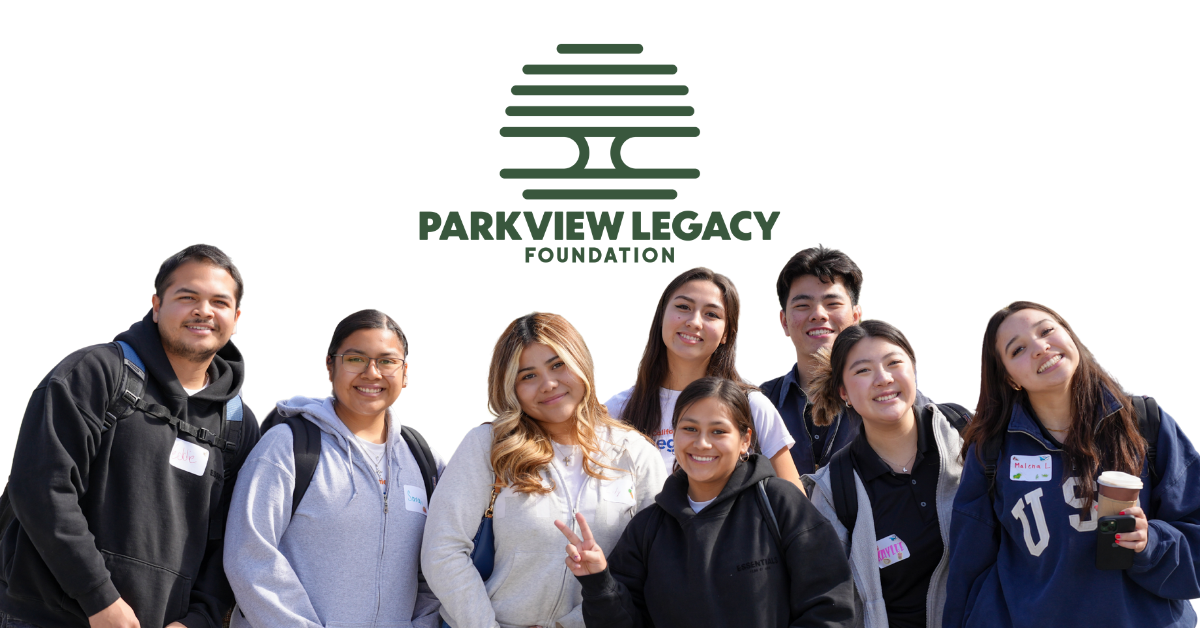
Growing Inland Achievement (GIA) has received a $125,000 grant from the Parkview Legacy Foundation to expand its regional College Corps program by launching a new initiative called Education to Career. The funding will support additional career development opportunities for College Corps Fellows, students who commit to community service in exchange for financial support under the statewide program managed by California Volunteers, Office of the Governor.
College Corps is designed to engage college students in service roles across key sectors, including education, climate action, and food insecurity. With the new funding, GIA will offer enhanced career-preparation resources to help students transition more effectively from college to the workforce.
The new Education to Career component will provide Fellows with access to workshops on resume writing, durable skills, and career navigation, as well as job fairs and employer-led trainings aligned with local workforce needs. Fellows and alumni will also have access to a curated job board featuring vetted regional employers seeking to hire College Corps participants.
The program will operate in three phases over 18 months. During the first six months, current Fellows will receive structured workshops and coaching. From months six to 12, the focus will shift to networking and employer engagement. In the final six months, as Fellows transition into alumni, they will utilize the job board to pursue career opportunities and serve as mentors to the next cohort.
“Helping college students be fully prepared for the workforce and accessing career pathways is critical to their economic futures,” said Dr. Ashish Vaidya, President and CEO of Growing Inland Achievement. “This additional support comes at a pivotal time, as Inland Empire students continue to face barriers transitioning from college to career. By equipping Fellows with skills and direct pathways, this project will help retain local talent and strengthen the regional economy.”
The Inland Empire, home to more than 4.7 million residents, has long faced gaps in postsecondary attainment and upward mobility. Regional partners, including GIA, have worked to address these disparities by strengthening education-to-employment pipelines.

UPCOMING EVENTS
RECENT NEWS
- Award-Winning PBS Documentary The Class Comes to the Inland Empire for Special CSUSB Screening
- From Insight to Action: Key Takeaways from Our Golden Ticket
- What California’s Historic Education Budget Means for the Inland Empire
- Growing Inland Achievement Receives Grant to Strengthen Purposeful Pathways in the Inland Empire
- Regional Leaders Convene to Review GIA Report on The State of Education & Talent in the Inland Empire