

About This Episode
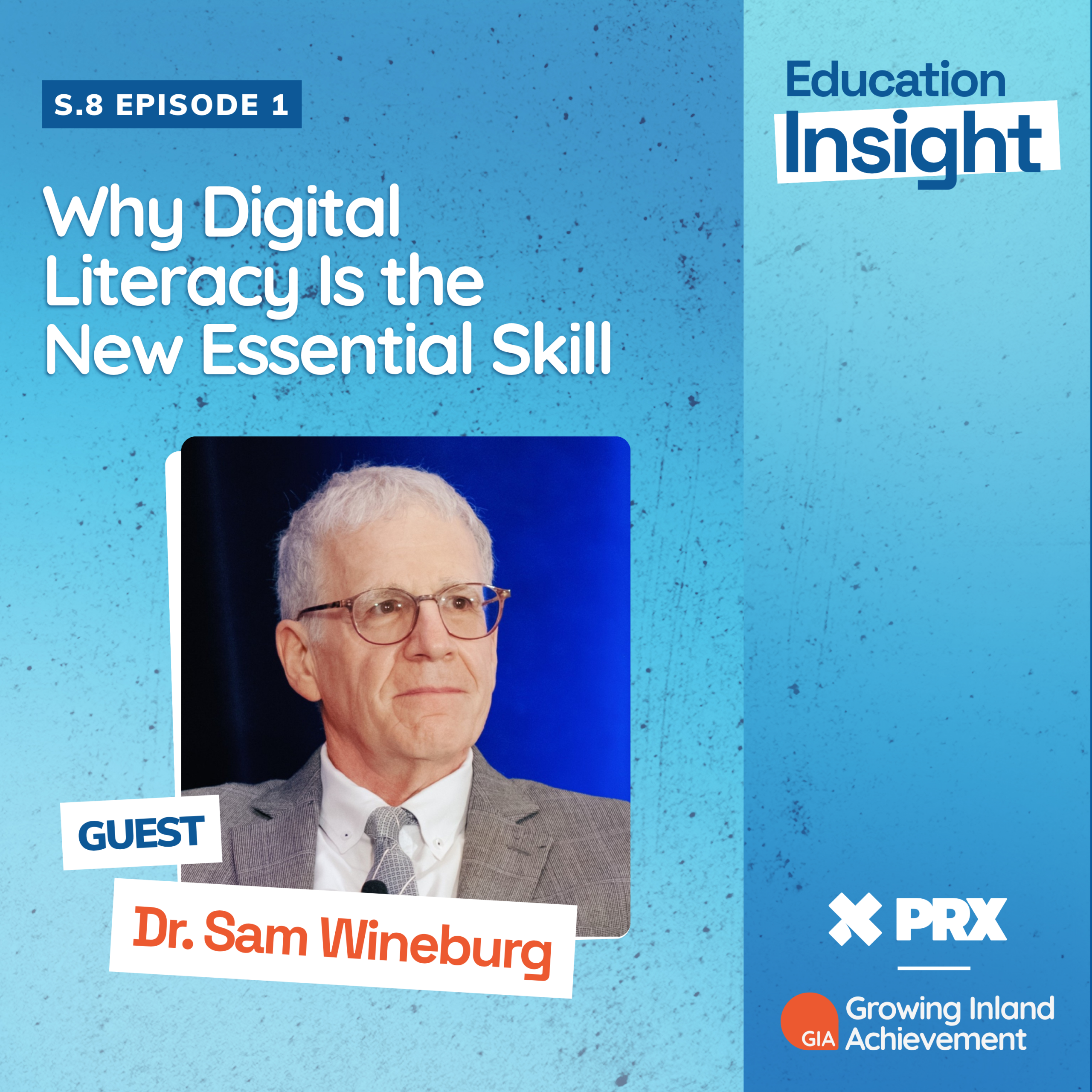
Season 8. Episode 1.
Every day, we’re flooded with headlines, videos, social media posts, and breaking news alerts competing for our attention. But in a world where anyone can publish information with the click of a button, how do we know what’s actually true?
In this episode of Education Insight, we sit down with Dr. Sam Wineburg, Margaret Jacks Professor of Education, Emeritus, at the Stanford Graduate School of Education and one of the world’s leading experts on digital literacy. His research has transformed how educators teach students to evaluate information online, and his latest book, Verified: How to Think Straight, Get Duped Less, and Make Better Decisions about What to Believe Online, provides practical tools anyone can use to navigate today’s digital landscape.
During our conversation, Dr. Wineburg reflects on the moment he realized the internet was fundamentally changing how people consume information and why traditional approaches to research no longer work in the digital age. He explains that digital literacy is not simply knowing how to use technology, but understanding how to investigate sources, verify claims, and recognize when information is designed to manipulate rather than inform.
We also explore practical, everyday scenarios that affect all of us. What should you do when you encounter a shocking health claim, political headline, or crime story on social media? Why are younger generations, despite growing up with technology, increasingly vulnerable to online scams? And how can simple habits dramatically improve the way we evaluate information before sharing it with others?
The conversation also turns to education, examining how artificial intelligence is reshaping student learning and whether changes in classroom assignments may affect students’ ability to think critically and communicate effectively through writing. Dr. Wineburg also discusses the current state of digital literacy education in schools and why he believes teaching students how to evaluate information deserves far greater attention nationwide.
Whether you’re an educator, parent, student, or simply someone trying to make sense of an increasingly complex online world, this episode offers practical strategies to help you become a more thoughtful consumer of information and less likely to be fooled by misinformation.
Join us for an insightful conversation with Dr. Sam Wineburg about building the critical thinking skills we all need to thrive in the digital age.
Featured Guests
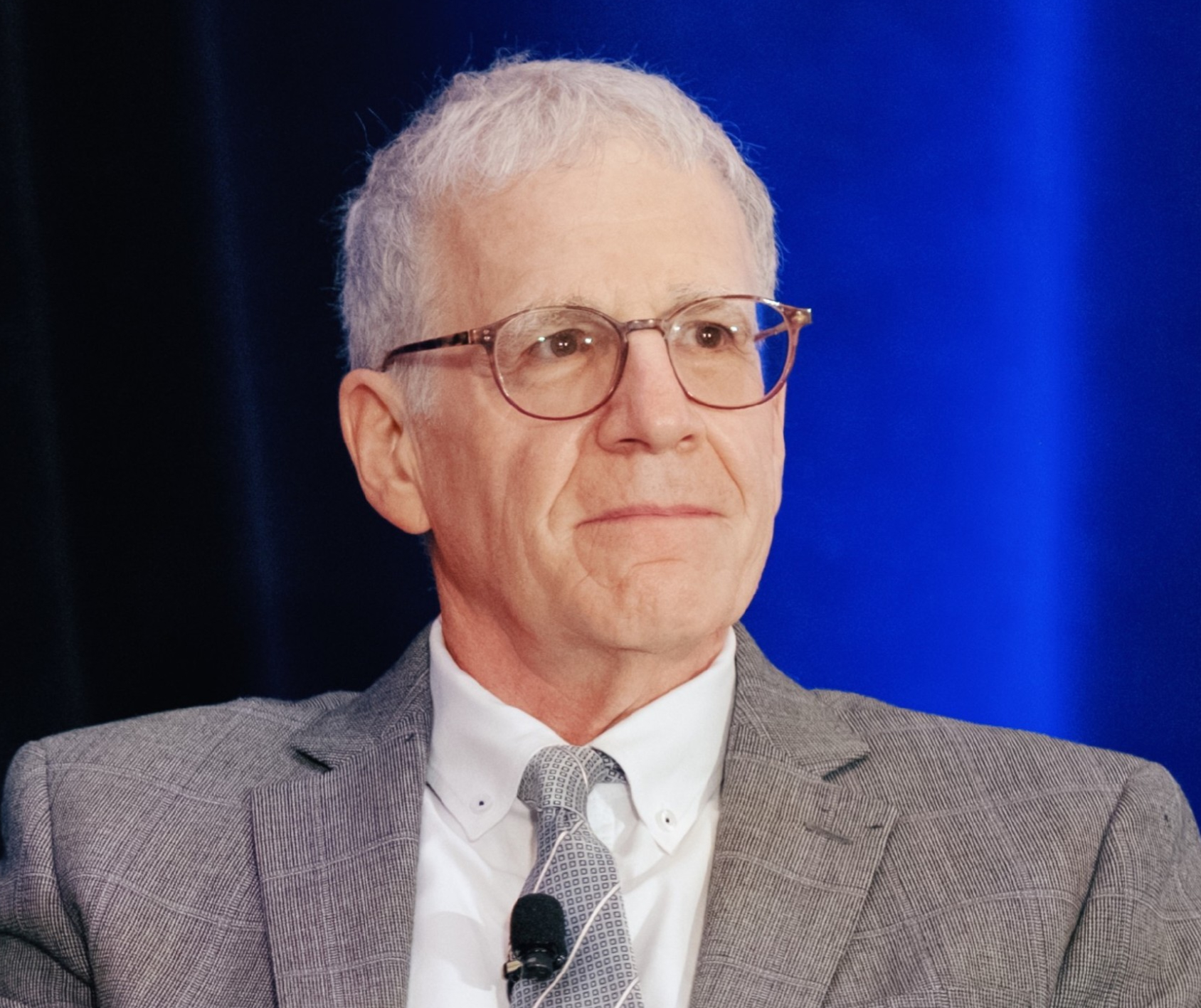
Dr. Sam Wineburg
Margaret Jacks Professor of Education, Emeritus, and, by courtesy, of History & American Studies at Stanford University. He is also the co-founder of the Digital Inquiry Group.
Biography
Sam Wineburg is the Margaret Jacks Professor of Education, Emeritus, and, by courtesy, of History & American Studies at Stanford University. He is also the co-founder of the Digital Inquiry Group, an independent education nonprofit. Educated at Brown and Berkeley, he holds a doctorate in Psychological Studies in Education from Stanford and an honorary doctorate from Sweden’s Umeå University. In 2004, Wineburg founded the Stanford History Education Group, a curriculum development effort that, before it spun out of Stanford, had grown into the largest provider of free curriculum in the social studies, appearing on 42 state departments of education curriculum lists, and downloaded over 17 million times.
Since 2016 his research has focused on “Civic Online Reasoning,” or how people judge the credibility of information on the internet— research that has been featured in TIME Magazine, the Wall Street Journal, NPR, Edutopia, and on multiple occasions in the New York Times. In 2014 he was inducted into the National Academy of Education and in 2021, UNESCO honored him with its International Media Literacy Award. He has worked with education officials in the U.K., Austria, India, and Australia.
Wineburg’s interdisciplinary scholarship has appeared in scholarly journals like Cognitive Science, Journal of Educational Psychology, and the Journal of American History as well as popular outlets like the New York Times, USAToday, Boston Globe, Washington Post, Los Angeles Times, Slate, and the Smithsonian Magazine. His 2002 book, Historical Thinking and Other Unnatural Acts: Charting the Future of Teaching the Past won the Frederic W. Ness Award from the Association of American Colleges and Universities for work that makes the most important contribution to the “improvement of Liberal Education and understanding the Liberal Arts.” His book, Why Learn History When It’s Already on Your Phone, was published by the University of Chicago Press in 2018. His latest book, with co-author Mike Caulfield, is Verified: How to Think Straight, Get Duped Less, and Make Better Decisions about What to Believe Online (University of Chicago Press, 2023).