

About This Episode
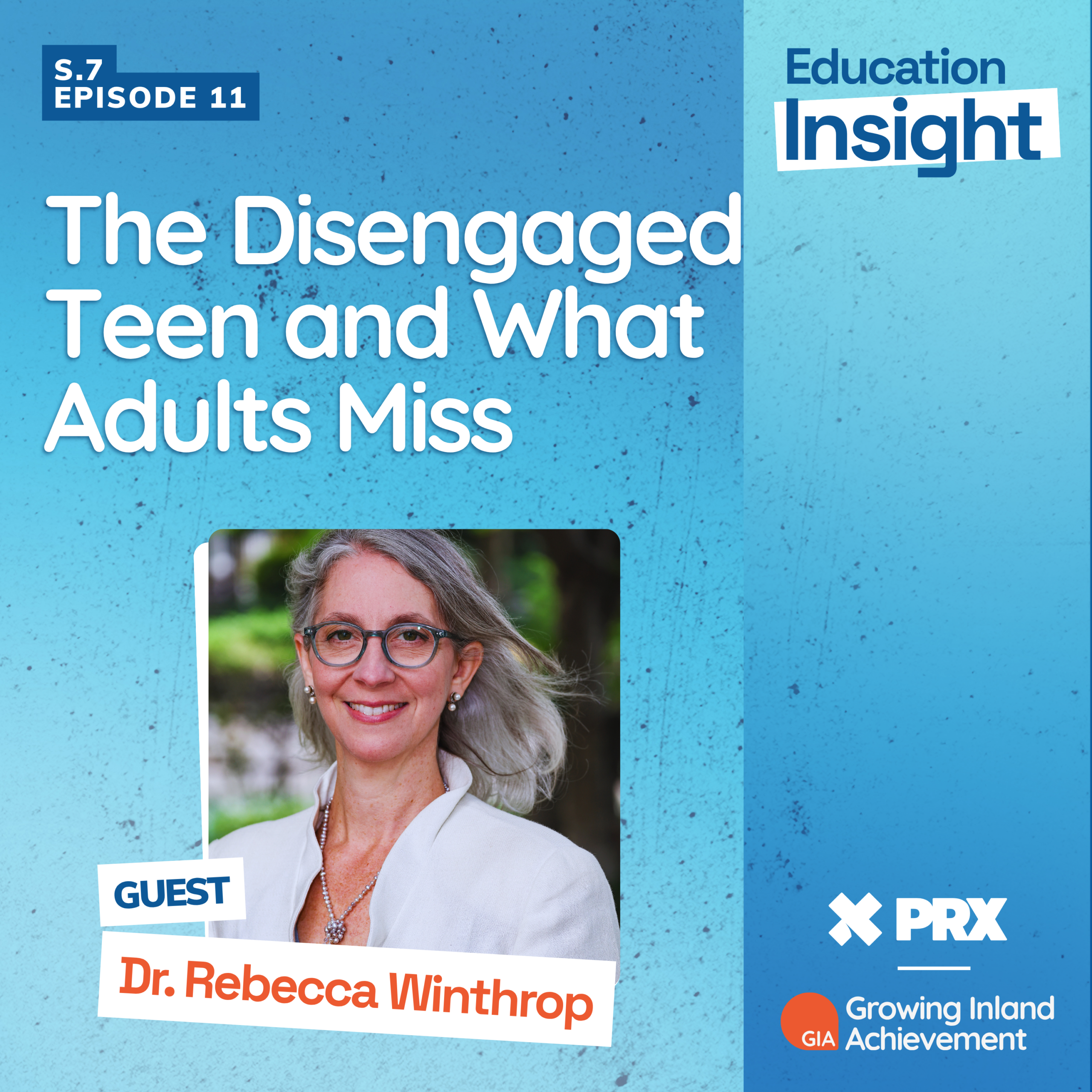
Season 7. Episode 11.
In this episode of Education Insight, we speak with Dr. Rebecca Winthrop, Senior Fellow at the Brookings Institution and Director of the Center for Universal Education, about one of the most pressing challenges facing schools today: teen disengagement.
Drawing from her book The Disengaged Teen, co-authored with journalist Jenny Anderson, Dr. Winthrop explains why disengagement is not one single problem but a set of distinct patterns. She unpacks the four “modes” of teens, including Passengers who quietly check out, Resisters who are often mislabeled as troublemakers, Achievers who perform well but feel internally disconnected, and Explorers who are driven by curiosity and intrinsic motivation. She shares how adults can spot early warning signs, understand the difference between overwhelm and lack of motivation, and make small but meaningful changes in a teen’s environment.
The conversation also turns to artificial intelligence in education. As leader of the Global Task Force on AI in Education at Brookings, Dr. Winthrop discusses whether schools are relying too heavily on technology as a quick fix for engagement. She outlines the risks of introducing AI before students develop foundational skills and reflects on what a smart, responsible foundation for AI use in schools should look like.
This episode offers research-based insights and practical guidance for parents, educators, and policymakers who want to better understand adolescence and support young people in an era of rapid technological change.
Featured Guest
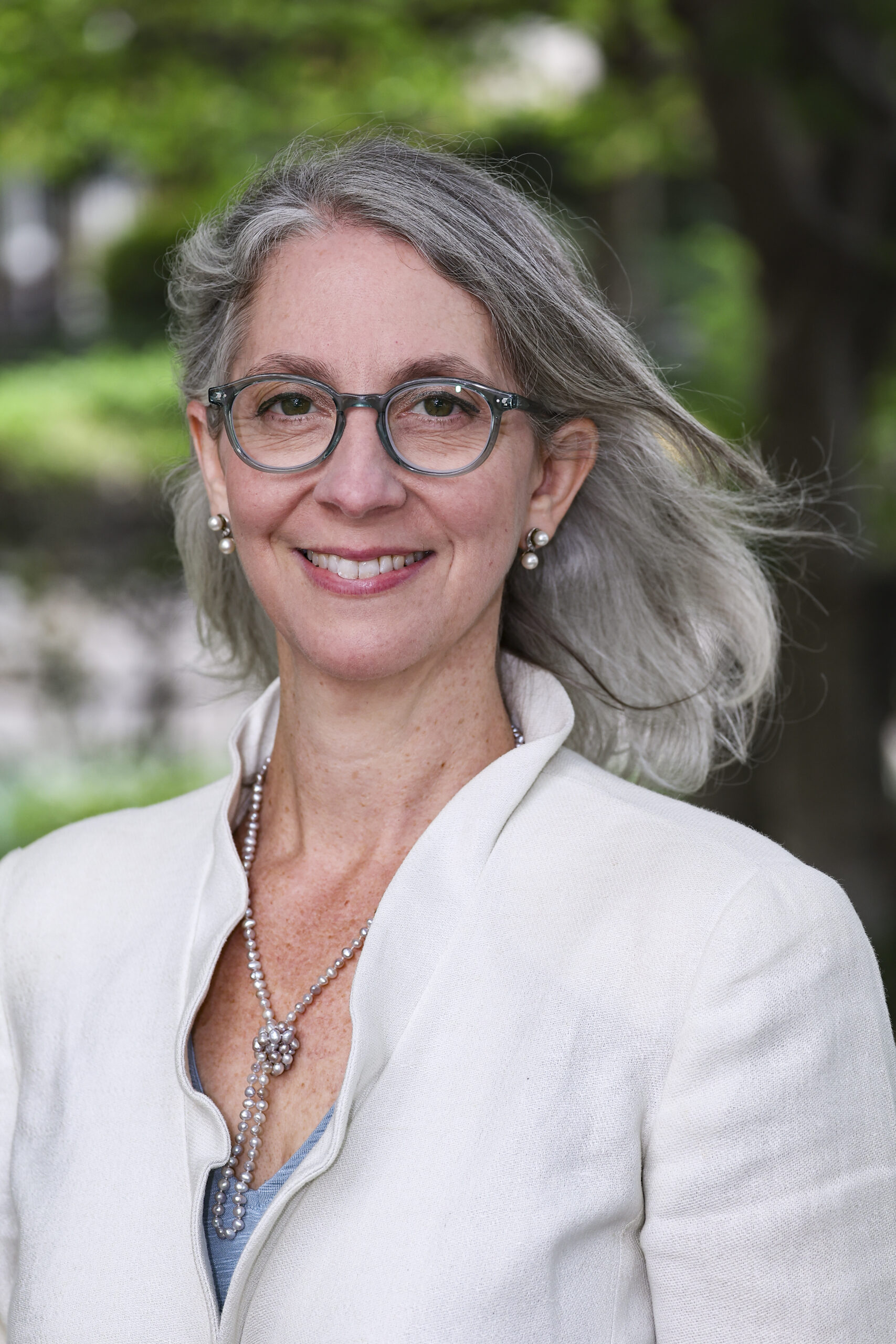
Dr. Rebecca Winthrop
Senior Fellow at the Brookings Institution and Director of the Center for Universal Education
Biography
Rebecca Winthrop is a leading global authority on education, the director of the Center for Universal Education at Brookings and an adjunct professor at Georgetown University. She is dedicated to ensuring that every child has the opportunity to thrive in life, work, and as an engaged citizen. She leads cutting-edge research and initiatives aimed at transforming education systems around the world to better support children’s learning and development.
Rebecca is a trusted advisor to both school communities and national and international organizations. Her expertise is sought by many including parent networks, schools, district education leaders, the White House, the United Nations, and Fortune 500 companies. Rebecca’s work is centered on developing and advocating for evidence-based strategies that bring people together—families, educators, policymakers, and companies—to help children maximize their potential.
She holds a PhD from Columbia University’s Teachers College, an MA from its School of International and Public Affairs, and a BA from Swarthmore College.