

OUR WORK | ADVOCATE
Driving Policy and Systems Change
Real transformation happens when policy, funding, and local practices align. GIA advances student-centered change through policy engagement, informing equitable practices and promoting collaboration across systems.


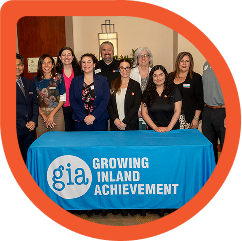

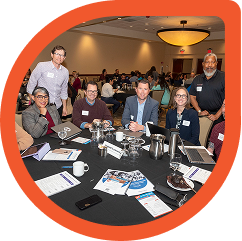

GIA advocates at the local, state, and federal levels to strengthen educational pathways and promote economic mobility. Our advocacy focuses on shaping systems that support learners from early education through employment, particularly those who have been historically underserved by existing policies and structures.
2025-2026 Policy Agenda
Our Policy Priorities

Early Literacy and Middle School Math
Early academic success is a strong predictor of high school graduation, college enrollment, and long-term economic mobility. Targeted investment in literacy and math will help close persistent achievement gaps among Black, Hispanic, and low-income students.

College and Career Readiness
Postsecondary readiness is greatly enhanced by students’ access to rigorous coursework and early college opportunities. Expanding A-G curriculum and dual enrollment increases the likelihood of degree attainment and accelerates time to completion.

Postsecondary Completion
Postsecondary readiness is greatly enhanced by students’ access to rigorous coursework and early college opportunities. Expanding A-G curriculum and dual enrollment increases the likelihood of degree attainment and accelerates time to completion.

Pathways from Education to Employment
Creating clear, supported pathways from postsecondary education to good-paying jobs is essential to drive economic prosperity in the Inland Empire. Stronger education-employer alignment supports students and addresses regional workforce gaps.

Support for Intermediaries for Improved Cradle-to-Career Coordination
Effective coordination across education, workforce, and social services is essential for equitable cradle-to-career outcomes. Sustainable funding for intermediary organizations strengthens regional collaboration and supports underserved communities, opportunity youth, and adult learners.
Regional EFFORTS and Partnerships
Advocacy in Action
GIA’s commitment to equity and systems change comes to life through targeted advocacy efforts that tackle the region’s most pressing challenges. From expanding financial aid access to strengthening college and career readiness pathways, our advocacy efforts unite essential partners to drive lasting impact across the Inland Empire.

FAFSA/CADAA Completion
Mobilizing local partners to increase financial aid access and awareness.

College & Career Readiness Advocacy
Pushing for expanded A‑G pathways and readiness strategies that connect students to career skills.

Adult Learner Reengagement
Supporting policies and programs that help adults return to school and finish credentials.
TOOLS FOR POLICY ACTION
Supporting Shared Advocacy Across the Region
Access tools, research, and partner resources to strengthen policy efforts that advance educational and economic opportunity. These materials inform action, support collaboration, and elevate the work already happening across the Inland Empire.
Be a Voice for Regional Prosperity