

About This Episode
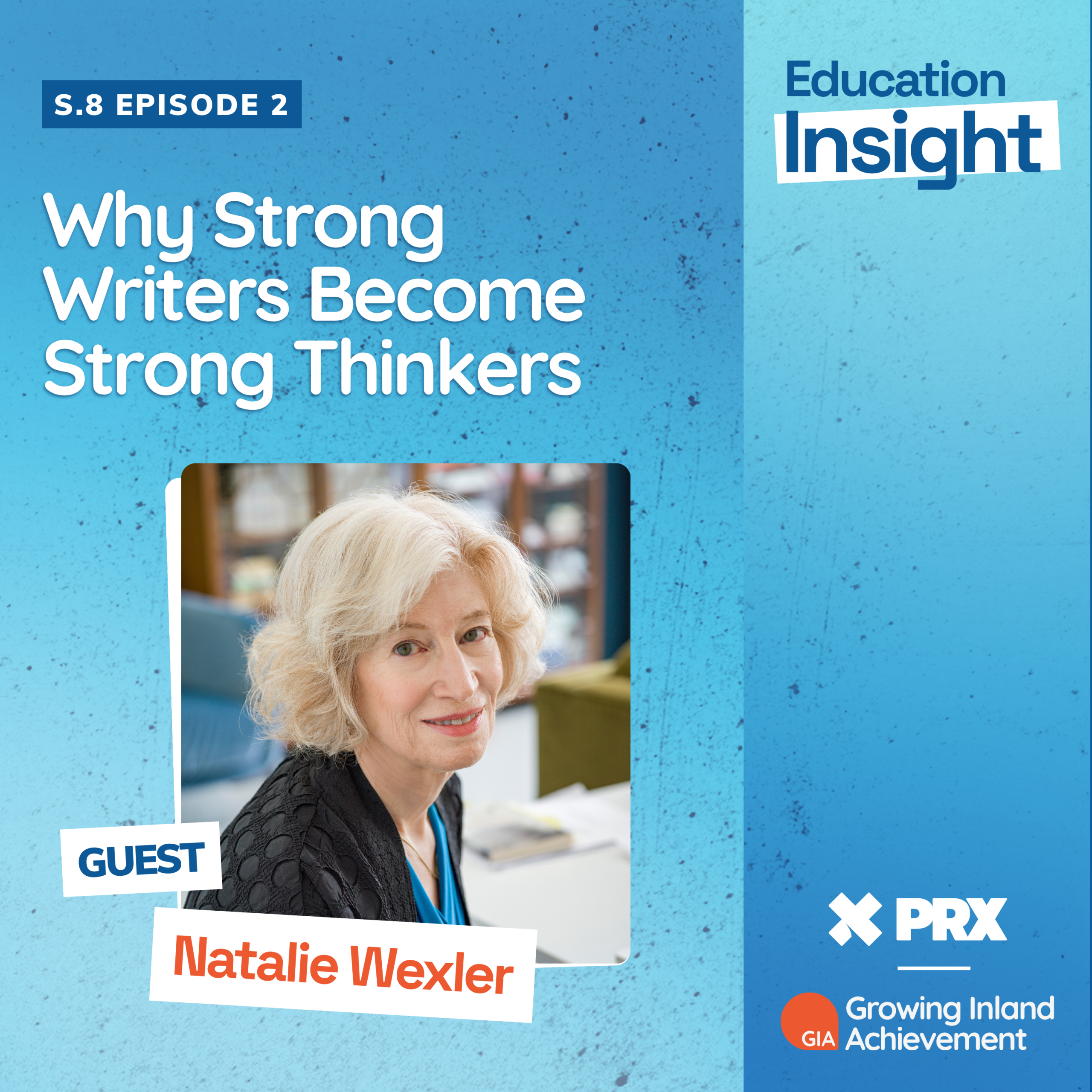
Season 8. Episode 2.
Why do so many students struggle to put their thoughts into writing, and what might we be missing in the way we teach them?
In this episode of Education Insight, we sit down with Natalie Wexler, education journalist and co-author of The Writing Revolution 2.0: A Guide to Advancing Thinking Through Writing in All Subjects and Grades, for a conversation about the connection between writing, learning, and how students develop their ability to think and communicate clearly.
We explore why writing challenges can begin much earlier than we realize, what schools can do to build stronger writers across every subject, and why those skills matter far beyond the classroom. We also tackle a growing question for educators and families: What happens to the way students learn and think when artificial intelligence can do more of the writing for them?
From the first sentences students learn to construct to the emails, reports, applications, and arguments they’ll eventually need to write as adults, this conversation asks us to reconsider what it really means to teach students how to write and why getting it right matters now more than ever.
Featured Guests
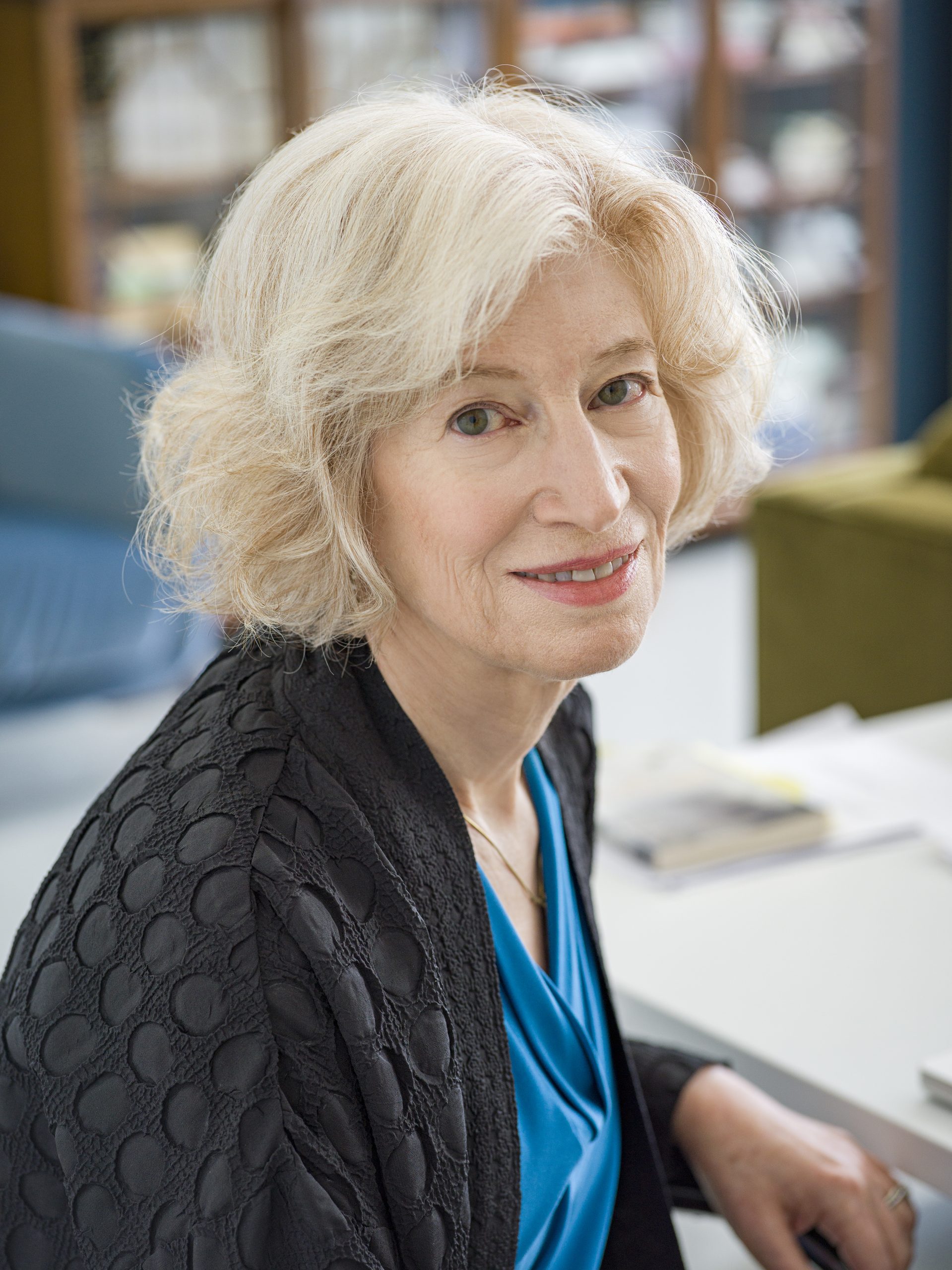
Natalie Wexler
Author, Beyond the Science of Reading: Connecting Literacy Instruction to the Science of Learning and The Knowledge Gap: The Hidden Cause of America’s Broken Education System–and How to Fix It.
Biography
Natalie Wexler is an education writer who has spoken before a wide range of audiences in the U.S. and elsewhere, focusing on literacy, cognitive science, and fairness. She is the author of Beyond the Science of Reading: Connecting Literacy Instruction to the Science of Learning and The Knowledge Gap: The Hidden Cause of America’s Broken Education System—And How to Fix It, and the co-author of The Writing Revolution: A Guide to Advancing Thinking Through Writing in All Subjects and Grades. She blogs at her free Substack newsletter, Minding the Gap, and is the host of Season One of the Knowledge Matters Podcast (“Reading Comprehension Revisited”) and a co-host of Season Three (“Literacy and the Science of Learning”). She holds a BA from Harvard College, an MA in history from the University of Sussex, and a JD from the University of Pennsylvania.